In today’s commercial real estate market, transactions have become more intricate than ever. From economic uncertainty and higher interest rates to supply chain disruptions and evolving tenant expectations, the industry is facing a series of complex variables. For commercial real estate professionals, understanding how to anticipate construction costs, project timelines, and technical challenges is now a competitive necessity.
These considerations aren’t just technical—they affect financial cash flow, stakeholder trust, and long-term property values. In particular, when it comes to office buildings, multifamily developments, or healthcare real estate, missing the mark on due diligence can lead to serious losses.
This guide offers five key strategies to help brokers, real estate investors, and property owners plan smarter and deliver more resilient projects, while staying aligned with today’s market conditions and ESG initiatives.
1. Forecasting Costs in the Commercial Real Estate Sector
1.1 Understand What Drives Fit-Out and Construction Costs
Before occupancy, most commercial property requires interior work—from HVAC upgrades to partitioning and code compliance. These tenant improvements are influenced by various elements:
- Hard costs: Labor, materials, and structural changes
- Soft costs: Legal fees, design, permitting, and insurance
- Hidden costs: Inspections, energy retrofits, zoning issues, or delays
- Macroeconomic factors: Interest rates, inflation, and global events like the pandemic
The cumulative effect of these factors can jeopardize both timelines and profitability. As real estate development becomes more capital-intensive, precise financial planning becomes non-negotiable.
1.2 Why Budget Overruns Threaten CRE Success
In the commercial real estate industry, budget overruns are among the top causes of project failure. Rising material costs, labour shortages, and disruption in global logistics create unpredictability. Combined with stricter regulations related to sustainability and climate change, your project’s cost baseline can shift quickly.
Failing to plan for this can damage relationships with stakeholders, including tenants, lenders, and municipalities. A delay in delivery affects occupancy, delays refinancing, and hurts cash flow.
1.3 Proactive Cost Strategies
- Build contingency budgets (10–20%) into your project
- Lock in pricing early with suppliers to hedge against supply chain volatility
- Use benchmark data from asset classes in similar CRE projects
- Align your property management and asset management teams to monitor cost variables from day one
2. Timeline Structuring: Planning for Predictable Delivery
2.1 Why Timelines Slip in CRE Projects
Any commercial real estate transaction involves multiple moving parts. From permit approvals to subcontractor scheduling, project delays are common. But predictable timelines are vital for tenant satisfaction and real estate investment performance.
Delays can occur due to:
- Approval process bottlenecks
- Municipal zoning and regulatory hurdles
- Contractor shortages and scheduling gaps
- Changes in scope due to shifting occupant needs
- Weather or seasonal limitations
In high-density office markets, even a short delay can mean significant losses in rent, while long-term vacancy rates become harder to manage.
2.2 Techniques for Timeline Optimization
- Use phased construction to allow partial occupancy when possible
- Implement real-time tracking tools to monitor progress and flag risks early
- Incorporate tenant coordination teams to handle design changes midstream
- Establish partnerships with trusted contractors to limit disruption during buildout
The goal is not just delivery—but on-time delivery that aligns with both short-term cash flow and long-term asset strategy.
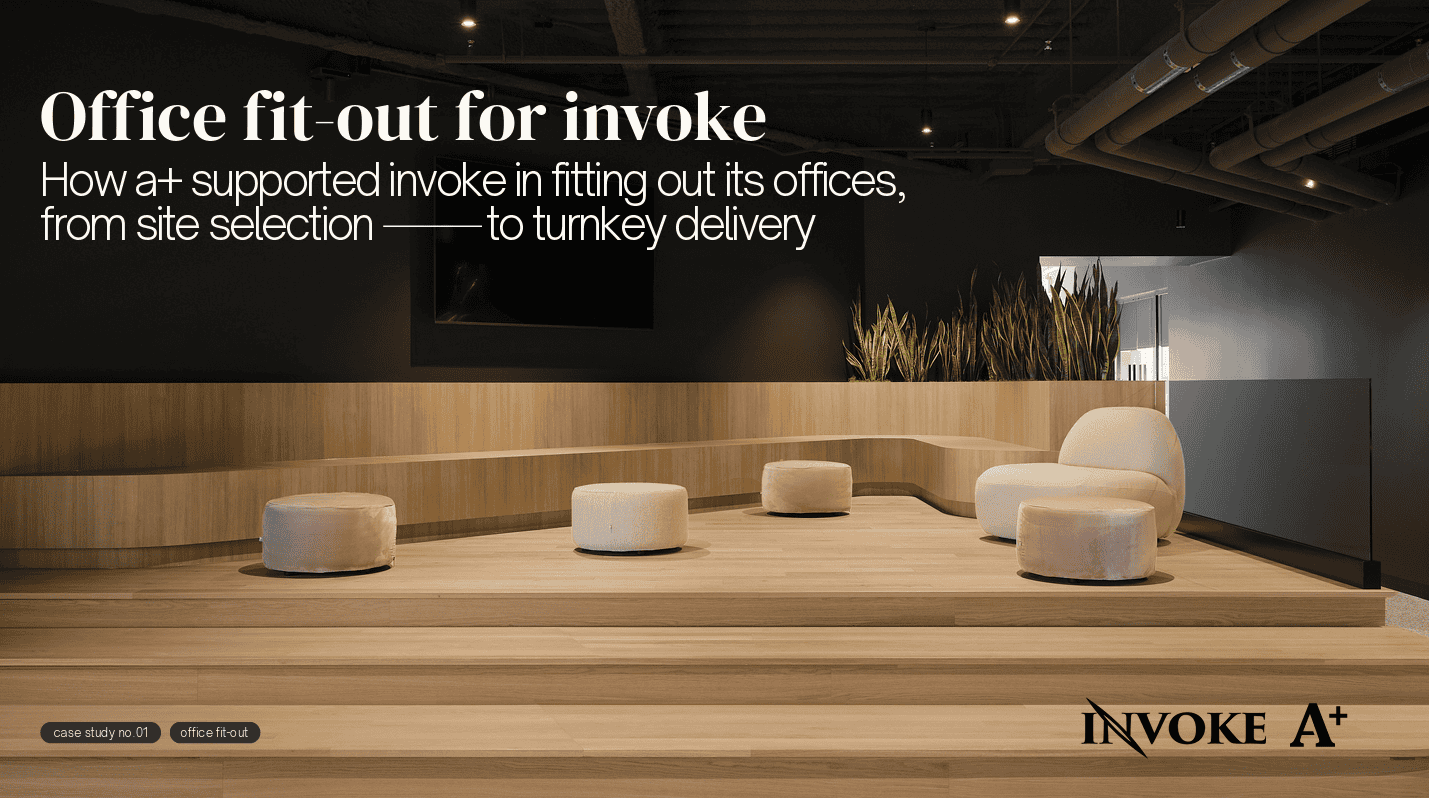
Invoke, A World-Class Studio – From Space Selection to Turnkey Delivery
See how a tech company relocated 32,000 sq. ft. with no delays or cost overruns thanks to a structured, integrated approach.
3. Dynamic Project Management in the CRE Landscape
3.1 The Case for Integrated CRE Project Management
Traditional project delivery models are no longer effective in the modern commercial real estate sector. Instead, dynamic and integrated workflows are required to manage multiple players—from architects and engineers to stakeholders, investors, and tenants.
A central project dashboard gives visibility across all stages of real estate development. Whether you’re delivering office space, multifamily, or healthcare facilities, integration is essential to reduce vulnerabilities.
3.2 What a Dynamic Model Looks Like
- Pre-construction alignment of all professionals and teams
- Real-time data sharing between asset management and field teams
- Transparent budget and timeline tracking accessible by investors and tenants
- Fast adaptation to changes (e.g. materials delay, permitting issues, or tenant requests)
This agility is particularly important when responding to economic activity shifts, remote work demands, or new ESG requirements.
3.3 Why It Matters for REITs and Institutional Players
REITs, lenders, and institutional investors demand predictability. Missed milestones or mismanaged budgets don’t just affect a single deal—they impact your reputation across the commercial real estate industry.
By showcasing strong risk management practices and partnerships with reliable vendors, you’re better positioned to attract capital and close deals faster.
4. Addressing Technical Challenges Before They Derail the Deal
4.1 Common Technical Risks in Commercial Real Estate
CRE professionals often overlook technical issues until it’s too late. Yet, for office buildings, healthcare facilities, and e-commerce hubs, infrastructure quality and compliance are deal-breakers.
Risks include:
- Building code violations and fire protection gaps
- Obsolete HVAC or mechanical systems
- Inadequate energy efficiency or insulation
- Occupant safety concerns related to layout or accessibility
Technical problems can result in missed refinancing opportunities, tenant dissatisfaction, and lost property value.
4.2 Conduct Technical Due Diligence Early
A proper audit should assess:
- Structural soundness
- Mechanical, electrical, and plumbing systems
- Sustainability metrics and ESG alignment
- Digital infrastructure (e.g. for tech firms or remote work enablement)
Incorporating these checks into your due diligence process shows real estate investors and lenders that your deal is sound.
4.3 Partner with Integrated Teams
Working with integrated design-build teams or property management experts ensures that technical feasibility and project delivery stay aligned. This reduces the risk of change orders, delays, or compliance violations.
5. Adapting to an Evolving Commercial Real Estate Market
5.1 New Tenant Expectations Are Redefining CRE
The rise of remote work, increased demand for e-commerce facilities, and the ongoing push for sustainability are reshaping how space is designed and leased. Demographics are also changing—today’s tenants expect more flexible, wellness-oriented environments.
This is especially true in the office market, where conventional layouts are losing appeal.
Adaptations include:
- Collaborative work zones and quiet pods
- Access to outdoor or biophilic elements
- Greater focus on energy efficiency and smart systems
5.2 How to Stay Competitive
- Offer flexibility in lease terms to reflect short-term market shifts
- Retrofit underused assets to serve new asset classes (e.g., convert offices to multifamily)
- Align with city-wide incentives for green buildings or tech infrastructure upgrades
Tracking market conditions, vacancy rates, and changes in tenant behavior helps owners and brokers refine positioning and mitigate risk.
5.3 Mergers, REIT Trends, and Strategic Positioning
The rise of mergers, consolidations, and vertical integrations in the CRE world means competition is evolving. Successful firms are the ones that can:
- Maintain operational agility across asset classes
- Build trust with investors through transparent risk management
- Align with public policy goals related to climate change and economic activity
If you’re not innovating, you’re losing ground.
Conclusion: Predictability Is Power in Commercial Real Estate
The CRE landscape is shifting rapidly. The convergence of higher interest rates, ESG imperatives, remote work, and shifting demographics has made predictability and proactivity the new currency.
By mastering:
- Detailed cost forecasting
- Timeline structuring
- Technical risk mitigation
- Integrated project management
- Market trend adaptation
…you can strengthen your position across any CRE transaction—whether in office buildings, multifamily, or niche asset classes like healthcare or e-commerce.
In a market shaped by vulnerabilities, disruption, and innovation, those who plan with intelligence and agility will become tomorrow’s leaders.
FAQ: Commercial Real Estate Cost and Risk Management
Q: What are the top cost drivers in commercial real estate today?
A: Labor shortages, material cost volatility, interest rate hikes, and sustainability upgrades.
Q: How do higher interest rates affect CRE?
A: They increase borrowing costs, reduce acquisition budgets, and delay refinancing plans.
Q: Why is technical due diligence so important in CRE?
A: It uncovers hidden compliance or performance issues that could reduce asset value and delay occupancy.
Q: How can I reduce vacancy in an office building?
A: Offer flexible layouts, integrate remote work infrastructure, and prioritize energy efficiency.
Q: What makes integrated project delivery so valuable?
A: It improves budget control, minimizes disruption, and fosters alignment among all stakeholders.
Q: What should REITs and institutional investors focus on today?
A: Diversification across asset classes, ESG compliance, and tight risk management processes.
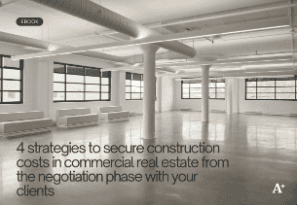
Secure Your Real Estate Transactions and Control Costs from Negotiation Onwards with Your Tenants
This eBook presents four key strategies to secure construction costs from the negotiation phase, using practical tools and recognized expertise.
Invoke, A World-Class Studio – From Space Selection to Turnkey Delivery
See how a tech company relocated 32,000 sq. ft. with no delays or cost overruns thanks to a structured, integrated approach.
Tell us about your project!
Do you have a real estate project in mind, but don’t know where to start? We can help! Contact us now to learn more about our services and discuss your project!

Frequently asked questions
In the traditional model, you sign separate contracts with the architect, engineers and contractor, each defending their own interests. With integrated project delivery, a single team designs and builds your space under one contract, with a shared target budget and open-book transparency. You make the decisions; we coordinate execution from start to handover.
Coordinating the architect, engineers and trades yourself means juggling multiple contracts, multiple invoices and shared blame when something goes wrong. With one contract, you have a single point of contact accountable for budget, schedule and outcome. The expertise is already aligned and used to working together, which removes the coordination errors that drive most delays.
We set a target budget at the drawing stage using real data from comparable projects, then design within that budget instead of discovering the price at the end. The agreed price does not change unless you request modifications or different materials. Any hidden condition we uncover along the way is on us.
No. The total cost is usually lower and, above all, more predictable. Bringing design and construction under one contract removes stacked margins, the change orders that come from conflicting drawings, and rework. Open-book transparency shows you where every dollar goes. You pay the real cost of the work, not a chain of middlemen.
Timelines depend on size and complexity, but the integrated approach shortens them because design and construction advance in parallel rather than in sequence. As an example, we delivered the 14 Red Bull Music Academy studios in 18 days. By the second meeting you already have a preliminary budget and drawings to plan around.
Far less than with several vendors to coordinate. You have one point of contact who manages the architect, engineers and trades for you. You keep the important decisions; we handle the daily coordination, follow-ups and on-site surprises. In practice, your role comes down to approving key milestones on an agreed communication routine.
We fit out commercial spaces of every kind: offices, medical clinics, restaurants, retail and industrial spaces, across Greater Montreal and up to roughly 90 minutes from the surrounding region. Our projects run from about 2,000 to 60,000 square feet. Our work includes studios, clinics, factories and pre-built suites for landlords and brokers.
The budget agreed at the drawing stage is guaranteed: any overrun that does not come from a change you requested is on us, not you. Hidden conditions uncovered on site are our responsibility too. For schedule, phased planning and one integrated team cut delays at the source. We deliver turnkey, so your teams can move in the next day.