
Interview with Frédéric D., CEO of Hedhofis
As we move through 2025, work arrangements continue to evolve, and with them, the business models surrounding the management of workspace. In the first episode of our new podcast, we welcomed Frédéric D., CEO of Hedhofis, one of Quebec’s leading coworking space networks, to dive into these ongoing transformations.
From Semi-Retirement Project to High-Growth Business Model
Coming from the advertising world, Frédéric wasn’t initially destined for real estate. It was in 2016 that he discovered the world of coworking spaces. Disillusioned with traditional business centers, he opened his first shared office space in Longueuil in 2017. Since then, Hedhofis has grown to over 10 operational locations, all aligned with today’s realities of hybrid work.
What started as a semi-retirement side project has grown into a full-fledged high-growth business. Hedhofis carved out a niche by offering a compelling alternative to the rigidity of the traditional office. In just a few years, they have designed flexible workspace solutions tailored to the needs of both entrepreneurs, startups, and growing teams.
Post-Pandemic Office Space: Reinventing the Norm
The pandemic caused a seismic shift in how people interact with the work environment. Before 2020, coworking memberships were mainly used by small teams and freelancers launching their ventures. Today, even large companiesare seeking flexible office space to support diverse team needs.
According to Frédéric, the return to the office doesn’t mean going back to the private office space model of the past. Companies now want on-demand access to office space designed for evolving usage patterns. A now-common request? “Space for 20 employees, one day per week.” That didn’t exist before—now it’s a standard ask.
This shift has also transformed the concept of presence and duration. Companies want less commitment and more agility—favoring workspace solutions aligned with their operational flow. It forces operators like Hedhofis to co-create solutions and rethink how they manage space in real time.
Flex Office, Shared Workspaces, and Collaborative Culture
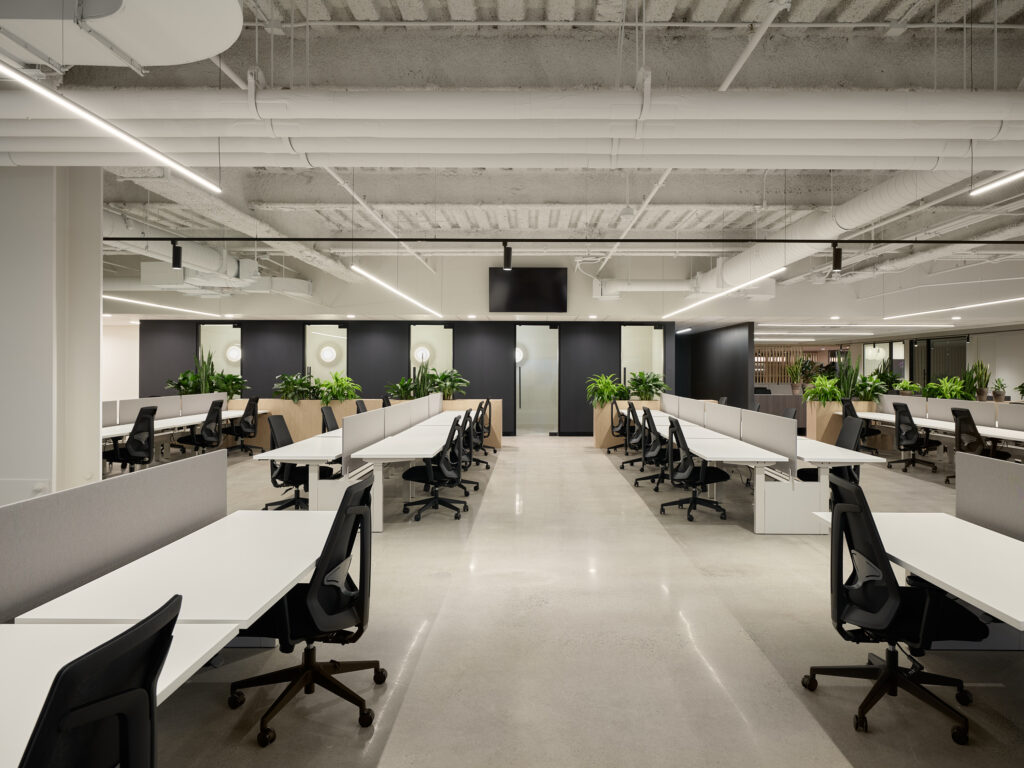
Today’s workspace management demands high modularity. Some flex spaces serve multiple businesses across different days of the week. This flex office approach optimizes occupancy while supporting privacy, collaboration, and daily well-being.
Integrated features like meeting rooms, quiet zones, phone booths, and collaborative areas enable both productivity and spontaneous interactions. These spaces cater to various work styles—from focused tasks to group brainstormingsessions.
Beyond physical layout, technology and services are key. WiFi, mobile check-ins, instant meeting room booking, and hot desks, dedicated desks, and private offices available daily or monthly make the Hedhofis offer dynamic and scalable.
A Networked Approach to Office Access
With locations across Montreal, the North Shore, and the South Shore, Hedhofis is betting on a distributed workspacemodel. Businesses no longer need a single HQ—they opt for a flexible office solution that gives their team access to multiple serviced offices.
This model also enhances quality of life: fewer commutes, proximity to home, and the ability to work from anywhere with a laptop. It’s a structure that encourages autonomy while still creating opportunities for in-person connection.
Conclusion: A New Normal for Workspaces
The Hedhofis model is a clear example of where the market is heading. More agile, more human, and more responsive to the realities of hybrid work, flexible workspaces are now a strategic asset. Remote work didn’t eliminate offices—it redefined them.
Whether the need is short-term or long-term, flexible office space is now a central response to the challenge of modern office layouts and workforce expectations. The perfect workspace isn’t one-size-fits-all—it’s adaptable, local, and always evolving.
With its agile, human-centric solutions, Hedhofis proves that shared workspaces, virtual offices, and workspace solutions are not just trends—they’re the future of work.